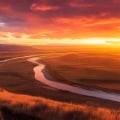
Outdoor photography, often referred to as natural light photography, is a captivating genre that harnesses the beauty of the great outdoors to create stunning visual narratives. Unlike studio photography, which relies on artificial lighting and controlled environments, outdoor photography embraces the unpredictable elements of nature. This approach not only enhances the aesthetic appeal of images but also allows photographers to capture genuine moments in their most authentic form. The interplay of light, shadow, and color in natural settings can transform an ordinary scene into a breathtaking masterpiece.The significance of outdoor photography in the realm of photography services cannot be overstated.
It offers a unique opportunity for photographers to showcase their skills while connecting with clients in a more personal and engaging manner. Whether it’s a family portrait in a sun-drenched park or an adventurous shoot on a rugged mountain trail, outdoor photography provides a versatile backdrop that can cater to various themes and styles. This versatility not only appeals to clients seeking memorable experiences but also allows photographers to express their creativity and artistic vision.Moreover, understanding the nuances of natural light is crucial for any photographer looking to excel in this field. The quality of light changes throughout the day, influencing the mood and tone of photographs.
Golden hour, for instance, offers soft, warm light that can enhance skin tones and create a magical atmosphere. By mastering these elements, photographers can elevate their work and provide exceptional photography services that resonate with clients on a deeper level.
The Importance of Natural Light in Photography
Natural light plays a pivotal role in photography services, especially when it comes to outdoor photography. The quality of light can dramatically influence the mood, color, and texture of an image, making it essential for photographers to understand its importance. One of the primary benefits of using natural light is its ability to create a sense of authenticity. Unlike artificial lighting, which can sometimes produce harsh shadows or unnatural colors, natural light offers a soft, diffused quality that enhances the beauty of the subject.This is particularly evident during the golden hour—shortly after sunrise or before sunset—when the sunlight casts a warm, golden hue that flatters landscapes and portraits alike.
Effects on Mood and Color
The mood of a photograph can be significantly altered by the type of natural light available. For instance:- Soft, overcast light can evoke feelings of calmness and serenity, making it ideal for capturing intimate moments or delicate subjects.
- Harsh midday sun can create dramatic contrasts and bold colors, perfect for dynamic outdoor scenes.
Outdoor Lighting Techniques
To make the most of natural light, photographers often employ various techniques:- Backlighting: Positioning the subject with the light source behind them can create stunning silhouettes and highlight textures.
- Reflectors: Using reflectors can help bounce light onto the subject, filling in shadows and adding depth to the image.
Techniques for Capturing Stunning Outdoor Photos
Capturing stunning outdoor photos requires a blend of technical skill and an understanding of natural light. Here are some essential outdoor photography techniques to elevate your work:- Understand the Golden Hour: The best time for outdoor photography is during the golden hour, which occurs shortly after sunrise and before sunset.
The soft, diffused light during this time creates beautiful shadows and highlights, enhancing the overall mood of your images.
- Use Natural Reflectors: Look for surfaces that can act as natural reflectors, such as water bodies or light-colored rocks. These can bounce light back onto your subject, reducing harsh shadows and adding a pleasing glow.
- Experiment with Composition: Utilize the rule of thirds to create balanced and engaging compositions. Position key elements along the grid lines or at their intersections to draw the viewer's eye into the frame.
- Incorporate Leading Lines: Use natural lines in your environment, such as paths, rivers, or fences, to lead the viewer’s eye toward the main subject. This technique adds depth and perspective to your photographs.
- Adjust Your Camera Settings: Use a lower ISO setting to minimize noise in bright conditions.
A higher aperture (f/8 or f/11) can help achieve greater depth of field, keeping more of your scene in focus.
- Pay Attention to Shadows: Be mindful of how shadows fall across your subject. Sometimes, moving slightly can change the angle of light and improve your shot significantly.
- Use a Tripod: A sturdy tripod is essential for stabilizing your camera during long exposures or in windy conditions.
- Lenses Matter: A versatile zoom lens allows you to capture a variety of scenes without changing lenses frequently. Consider a wide-angle lens for landscapes and a telephoto lens for wildlife.
Choosing the Right Time and Location for Outdoor Photography
When it comes to outdoor photography, selecting the right time and location can significantly enhance the quality of your images. Understanding the nuances of natural light and how it interacts with your surroundings is crucial for capturing stunning photographs.Best Times for Outdoor Photography
The golden hour, which occurs shortly after sunrise and before sunset, is often regarded as the best time for outdoor photography.During this period, the sunlight is softer and warmer, creating a beautiful glow that can add depth and dimension to your images. The shadows are also longer, which can help in creating more interesting compositions.In contrast, midday sun can be harsh and unflattering, leading to overexposed highlights and deep shadows. If you must shoot during this time, consider using reflectors or diffusers to soften the light. Alternatively, look for shaded areas or use natural elements like trees or buildings to create interesting compositions.
Location Scouting for Photography
Location scouting is another essential aspect of outdoor photography.Before your shoot, take the time to explore potential sites that align with your vision. Look for locations that offer a variety of backgrounds, textures, and colors. Natural landscapes such as parks, beaches, or forests can provide stunning backdrops that enhance your subject.
- Research: Use online resources or photography apps to find popular spots in your area.
- Visit at Different Times: Check how the light changes throughout the day at your chosen location.
- Consider Accessibility: Ensure that the location is easy to reach and safe for you and your equipment.
Common Challenges in Outdoor Photography and How to Overcome Them
Outdoor photography presents a unique set of challenges that can test even the most seasoned photographers.Understanding these challenges in outdoor photography and knowing how to navigate them is essential for capturing stunning images. One of the most significant hurdles is the unpredictable nature of weather. Rain, wind, and changing light conditions can dramatically affect your shots. To combat this, always check the weather forecast before heading out. If conditions are less than ideal, consider using them to your advantage.
For instance, overcast skies can provide soft, diffused light that is perfect for portraits.Lighting Issues Another common issue is dealing with harsh sunlight, which can create unflattering shadows and blown-out highlights. To overcome this, try shooting during the golden hour—shortly after sunrise or before sunset—when the light is softer and warmer. If you must shoot in bright conditions, use a polarizing filter to reduce glare and enhance colors.Equipment Challenges Outdoor environments can also pose risks to your equipment. Dust, moisture, and extreme temperatures can damage your camera gear.
To protect your equipment, invest in weather-sealed gear or use protective covers. Additionally, always carry a microfiber cloth to clean your lenses and keep them free from dust and moisture.Composition and Framing Lastly, composing your shots in an outdoor setting can be tricky due to distractions in the background or foreground. Take a moment to assess your surroundings before snapping a photo. Use natural frames like trees or archways to draw attention to your subject and create depth in your images. By being aware of these common challenges and employing effective strategies to overcome them, you can enhance your photography services and deliver exceptional outdoor images that resonate with clients.
Showcasing Your Outdoor Photography Work
When it comes to showcasing your outdoor photography work, a well-curated portfolio is essential for attracting clients interested in your photography services.Here are some effective strategies to highlight your outdoor photos and make a lasting impression.
1.Create a Thematic Portfolio
Organize your outdoor photography into themes or categories, such as landscapes, wildlife, or events. This not only makes it easier for potential clients to navigate your work but also demonstrates your versatility and expertise in different areas of outdoor photography.2.Use High-Quality Images
Ensure that the images you select for your portfolio are of the highest quality. Use professional editing software to enhance colors and details, making your photos pop. Remember, the quality of your images reflects the quality of your photography services.3.Leverage Social Media
Social media platforms like Instagram and Pinterest are powerful tools for showcasing your outdoor photography.Regularly post your best work, engage with followers, and use relevant hashtags to increase visibility. Consider creating stories or reels that provide behind-the-scenes looks at your shoots, which can help humanize your brand.
4.Write Engaging Captions
Accompany each photo with engaging captions that tell a story or provide context. This not only enhances the viewer's experience but also allows you to connect with potential clients on a personal level. Share insights about the location, the challenges faced during the shoot, or the techniques used.5.Include Client Testimonials
If you have worked with clients in the past, include their testimonials in your portfolio or on social media posts.Positive feedback can significantly influence potential clients' decisions when choosing photography services.
6.Optimize for SEO
When posting online, optimize your images and descriptions for search engines. Use keywords related to outdoor photography and photography services, such as "landscape photographer" or "outdoor portrait sessions." This will help improve your visibility in search results.By implementing these strategies, you can effectively showcase your outdoor photography work and attract clients who are looking for exceptional photography services. Remember, a well-presented portfolio is not just a collection of images; it’s a reflection of your artistic vision and professionalism.FAQs About Outdoor and Natural Light Photography
When it comes to outdoor photography and utilizing natural light, many enthusiasts and professionals have questions that can enhance their understanding and skills. Here are some frequently asked questions:- What is the best time of day for outdoor photography?
The golden hour, which occurs shortly after sunrise and before sunset, is often considered the best time for outdoor photography.The soft, warm light during this period creates stunning images with beautiful shadows and highlights.
- How do I manage harsh sunlight?
When shooting in bright sunlight, consider using reflectors or diffusers to soften the light. Alternatively, you can shoot in shaded areas or during overcast days to achieve a more even lighting effect. - What equipment is essential for outdoor photography?
While a good camera is crucial, having a sturdy tripod, various lenses (especially wide-angle and telephoto), and filters (like polarizers) can significantly enhance your photography services. Additionally, carrying extra batteries and memory cards is always wise. - How can I improve my composition in outdoor settings?
Utilizing the rule of thirds, leading lines, and framing techniques can help create more dynamic compositions. Always be aware of your surroundings and look for interesting elements that can add depth to your images. - Is it necessary to edit outdoor photos?
While many outdoor shots can be stunning straight out of the camera, post-processing can enhance colors, contrast, and sharpness.Editing allows you to bring out the best in your images and align them with your artistic vision.